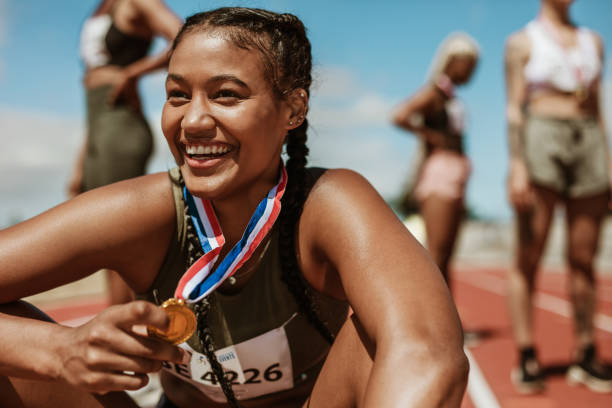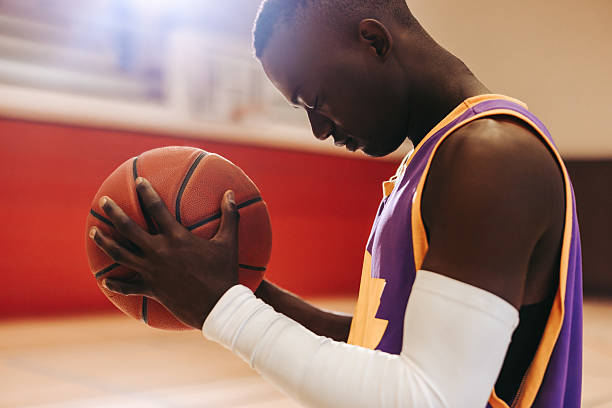
Sport psychology, a specialized subfield of psychology, focuses on understanding how mental and emotional factors affect performance in sports, exercise, and physical activities. Whether you’re an amateur athlete, a professional competitor, or part of a coaching team, the role of a sport psychologist can be pivotal in optimizing your mental game and achieving peak performance.
What Does a Sport Psychologist Do?
- Mental preparation: Teaching athletes how to mentally prepare before competitions.
- Performance anxiety: Helping individuals manage feelings of anxiety or fear during high-pressure situations.
- Motivation building: Encouraging athletes to stay motivated through goal-setting techniques.
- Behavioral analysis: Understanding patterns that may contribute to underperformance or burnout.
Why is Sport Psychology Important?
The importance of sport psychology lies in its ability to bridge the gap between physical potential and actual achievement. Physical training builds strength and skill, but without the right mindset, even the most talented athlete may fail to meet their potential. Sport psychologists help cultivate this critical mindset.
- Enhanced Performance: Mental strategies like visualization or mindfulness training can improve focus and consistency under pressure.
- Stress Management: Learning how to relax quickly after stressful situations enables athletes to recover faster and maintain clarity.
- Team Cohesion: For team sports, psychologists often assist with communication techniques that foster collaboration among teammates.
- Injury Recovery Support: Emotional support during rehabilitation ensures a smoother return-to-play transition.
Key Skills Provided by Sport Psychologists
| Skill | Description |
|---|---|
| Goal Setting | Designing measurable goals aimed at long-term success |
| Focus Improvement | Techniques like mindfulness for sustained concentration |
| Self-Talk Strategies | Replacing negative inner dialogue with affirmations |
| Relaxation Techniques | Progressive muscle relaxation or controlled breathing |
| Confidence Building | Reinforcing belief in abilities even after setbacks |
Who Can Benefit from Working with a Sport Psychologist?
- Professional athletes looking for an edge in competition
- Amateur players striving for personal bests
- Coaches seeking tools to motivate teams effectively
- Injured individuals navigating the psychological toll of recovery
By addressing psychological barriers such as self-doubt or lack of motivation, sport psychologists play an essential role in unlocking an individual’s full potential both on and off the field.
Understanding Performance Psychology Los Angeles CA: Boosting Mental Wellbeing and Athletic Excellence
Sport psychologists play a vital role in bridging the gap between physical performance and mental resilience. Their expertise lies in helping athletes and teams optimize their psychological state to achieve peak performance while maintaining overall mental wellbeing. Below, we explore the primary responsibilities of sport psychologists and how they contribute to success on and off the field.
Helping Athletes Build Mental Resilience
- Cognitive reframing: Teaching athletes to view challenges as opportunities for growth instead of threats.
- Self-talk management: Identifying negative self-talk patterns and replacing them with positive affirmations.
- Emotional regulation techniques: Equipping individuals with tools to stay calm under pressure.
Optimizing Focus and Concentration
- Mindfulness training: Encouraging present-moment awareness through meditation or breathing exercises.
- Visualization practices: Guiding athletes through mental rehearsals of successful performances.
- Goal-setting frameworks: Breaking down long-term objectives into manageable short-term tasks.
| Technique | Benefit |
|---|---|
| Mindfulness Training | Enhances present-moment focus |
| Visualization | Improves confidence and preparedness |
| Goal Setting | Increases motivation through clear objectives |
Managing Performance Anxiety
- Progressive muscle relaxation (PMR): A systematic technique for reducing physical tension associated with stress.
- Breathing exercises: Controlled breathing promotes physiological calmness during high-stakes moments.
- Pre-performance routines: Personalized rituals designed to instill confidence before competitions.
Supporting Mental Wellbeing Beyond Sports
- Providing counseling for stress, depression, or anxiety unrelated to sports.
- Guiding athletes through major transitions (e.g., career changes or recovering from injuries).
- Educating coaches, trainers, and families on creating supportive environments.
Enhancing Team Dynamics
- Conducting workshops that emphasize conflict resolution skills.
- Promoting leadership development for captains or influential players.
- Facilitating open discussions about shared goals and values.
By addressing individual psychological needs while supporting team structures, sport psychologists create an environment where both the athlete’s mind and body are primed for optimal performance. Their work goes beyond just winning—it fosters personal growth, emotional stability, and long-lasting success in all aspects of an athlete’s life.
How a Sports Psychologist Los Angeles CA Boosts Performance and Mental Wellbeing
A sport psychologist plays a pivotal role in bridging the gap between mental resilience and physical performance. Their responsibilities go beyond merely addressing mental health concerns. Instead, they work holistically to ensure athletes are mentally equipped to perform at their best while maintaining overall psychological wellbeing. Below is an exploration of their primary duties.
1. Enhancing Mental Resilience
Sport psychologists help athletes develop mental toughness, which is crucial for handling high-pressure environments, setbacks, and competition demands. This includes:
– Building self-confidence through visualization and positive affirmations.
– Teaching coping strategies for adversity and failure (e.g., reframing negative thoughts).
– Improving focus under stressful conditions using mindfulness techniques.
2. Managing Stress and Anxiety
High-stakes environments often lead to stress, which can impair performance if not managed effectively. Sport psychologists assist by:
– Identifying triggers of performance anxiety.
– Implementing relaxation techniques such as deep breathing or progressive muscle relaxation (PMR).
– Guiding athletes in maintaining composure through thought-stopping and grounding exercises.
| Technique | Purpose | Example |
|---|---|---|
| Deep Breathing | Reducing physical symptoms of stress | Inhaling for 4 counts, holding for 7 counts, exhaling for 8 counts. |
| Visualization | Reinforcing confidence via imagery | Imagining successful execution of a skill or game situation. |
3. Goal Setting and Motivation Strategies
An essential responsibility includes helping athletes set realistic yet challenging goals that keep them motivated over the long term:
– Assisting in creating Specific, Measurable, Achievable, Relevant, Time-bound (SMART) goals to track progress effectively. – Breaking down larger objectives into manageable short-term benchmarks. – Providing strategies to maintain intrinsic motivation beyond external rewards or recognition.
4. Supporting Team Dynamics
In team settings, sport psychologists contribute toward fostering positive team dynamics by:
– Facilitating communication skills among team members and coaches. – Addressing interpersonal conflicts that may disrupt cohesion or focus. – Encouraging collaboration rather than competition within the team environment.
5. Rehabilitation Support During Injury Recovery
Injury recovery often presents emotional challenges like frustration or fear of reinjury. A sport psychologist provides support by:
– Helping athletes manage expectations during recovery phases. – Developing mental skills to stay engaged with training while physically limited. – Addressing any post-injury anxieties before returning to competition.
Summary Table of Key Responsibilities
| Responsibility | Primary Focus Area | Applicable Techniques/Approaches |
|---|---|---|
| Mental Resilience | Overcoming setbacks | Visualization, Affirmation Strategies |
| Stress Management | Handling pressure | Relaxation Methods (PMR), Mindfulness Exercises |
| Goal Setting | Sustaining focus over time | SMART Framework |
| Team Dynamics Support | Building stronger collaborations | Communication Training |
| Injury Recovery Assistance | Emotional support during downtime | Fear Management Techniques |
Sport psychologists are indispensable in optimizing both individual performance on the field and psychological wellbeing off it—ensuring athletes achieve excellence with clarity of mind and balance in life.
Step-by-Step Guide to Engaging and Working with a Sport Psychologist for Optimal Results
Collaborating with a sport psychologist can be a transformative experience for athletes, coaches, and teams. Working systematically with a qualified professional ensures not only improved performance but also enhanced mental resilience and well-being. Below is a structured guide to effectively engage and work alongside a sport psychologist for optimal results.
Step 1: Identify the Need for Sport Psychology Support
- Persistent performance anxiety or stress.
- Difficulty maintaining focus during competition.
- Struggles in developing confidence or motivation.
- Need for better team dynamics or communication strategies.
By identifying these areas, you create clarity on the specific outcomes you wish to achieve.
Step 2: Research Qualified Professionals
| Factors to Consider | Description |
|---|---|
| Qualifications | Ensure they have relevant certifications (e.g., from recognized organizations such as AASP or APA). |
| Experience | Look for professionals with experience working in your specific sport or competitive level. |
| Approach | Some psychologists focus on cognitive-behavioral techniques, while others emphasize mindfulness or psychodynamic approaches. Match their method to your needs. |
| References | Seek testimonials from other athletes, coaches, or organizations they’ve worked with. |
A thorough evaluation will help ensure compatibility between their expertise and your goals.
Step 3: Initial Consultation
- Discuss your goals, challenges, and expectations.
- Allow the psychologist to explain their approach and methods.
- Establish mutual trust by addressing any concerns openly.
- Outline logistical details such as frequency of sessions, fees, and communication preferences.
This consultation helps both parties determine if they are well-suited for each other’s needs.
Step 4: Develop an Action Plan
- Goal Setting: Creating measurable short-term and long-term performance objectives.
- Skill Assessment: Identifying areas of mental strength and areas requiring improvement.
- Strategy Selection: Introducing techniques like visualization exercises, mindfulness training, or stress management protocols.
Regular reviews of progress ensure that adjustments can be made as required.
Step 5: Commit Fully to the Process
- Keeping track of practice logs detailing psychological exercises performed daily.
- Applying strategies learned in real-time competition settings.
- Maintaining open communication about challenges faced during implementation.
Consistency is key; long-term success depends on regular engagement with prescribed tools and techniques.
Benefits of Partnering With a Sport Psychologist
| Benefit | Impact Examples |
|---|---|
| Improved Focus | Reduced distractions during key moments in competition. |
| Enhanced Confidence | Positive self-talk leading to higher self-belief under pressure. |
| Mental Resilience | Ability to bounce back faster after setbacks or losses. |
When approached methodically, collaboration leads not only to athletic excellence but also improved mental health outcomes over time.
What Techniques Do Sport Psychologists Use to Help Athletes Manage Pressure and Anxiety?
Pressure and anxiety are common challenges for athletes, especially when competing at elite levels. Sport psychologists play a critical role in helping athletes manage these mental hurdles effectively. By using evidence-based techniques, they equip athletes with tools to perform consistently under stress while maintaining mental wellbeing. Below, we explore key techniques that sport psychologists use.
1. Cognitive-Behavioral Techniques (CBT)
- Cognitive Restructuring: Teaching athletes to identify negative self-talk and replace it with positive, constructive thoughts.
- Thought Stopping: Helping an athlete interrupt spiraling negative thoughts by introducing deliberate mental cues or distractions.
- Self-Monitoring: Encouraging athletes to reflect on their thinking patterns during practice and competition.
| Negative Thought | Positive Reframe |
|---|---|
| “I’m going to mess this up.” | “I’ve trained hard and I’m ready.” |
| “I can’t handle the pressure.” | “Pressure is part of growth.” |
2. Relaxation Strategies
- Athletes systematically tense and relax different muscle groups in the body.
-
This reduces physical tension associated with anxiety.
- Focused breathing helps reduce cortisol levels and promotes a calm mental state.
- Techniques often involve inhaling deeply for a count of four, holding for four seconds, then exhaling slowly for six seconds.
3. Visualization and Mental Imagery
- Detail-Oriented Imagery: Encouraging the athlete to engage all senses—what they see, hear, feel, or smell during optimal performance.
- Outcome-Focused Visualization: Mentally rehearsing winning scenarios or overcoming difficult moments in competition.
Example: If an athlete competes in swimming, they might visualize diving off the block powerfully, feeling their muscles propel them through the water while hearing cheers from the crowd.
4. Mindfulness-Based Interventions
-
Regular mindfulness meditation can train the brain to focus on the present moment.
- ACT encourages athletes to accept stressful thoughts without judgment while committing energy toward achievable goals.
5. Goal Setting
| Element | Description |
|---|---|
| Specific | Define clear objectives |
| Measurable | Track progress |
| Achievable | Ensure goals are realistic |
| Relevant | Align goals with broader aspirations |
| Time-Bound | Set deadlines for accountability |
Helping athletes manage pressure requires a tailored approach depending on individual differences like personality traits or competitive environments. By combining these psychological tools with consistent practice, sport psychologists empower individuals not just to cope but thrive under pressure scenarios both on and off the field.

Discover Los Angeles CA Sports Psychology Counseling for Career Growth and Development
The field of sport psychology offers a dynamic and rewarding career for individuals passionate about the intersection of psychology and athletic performance. Professionals in this domain help athletes optimize their mental well-being, improve performance, and manage challenges both on and off the field. Let’s explore some of the career opportunities within this field, as well as the pathways to develop a fulfilling career in sport psychology.
Career Opportunities in Sport Psychology
- Performance Psychologist: Focuses on helping athletes enhance mental resilience, confidence, motivation, and focus to achieve peak performance.
- Clinical Sport Psychologist: Combines clinical expertise with sport-specific knowledge to assist athletes dealing with emotional or psychological challenges such as anxiety or depression.
- Researcher or Academic: Conducts studies on psychological principles related to performance, athlete behavior, and team dynamics while teaching aspiring professionals at universities or institutions.
- Consultant for Teams/Organizations: Provides tailored mental skills training programs for professional teams, amateur athletes, or corporate organizations seeking high-performance strategies.
- Youth Sports Counselor: Works with young athletes to cultivate positive attitudes toward competition while addressing developmental pressures.
- Rehabilitation Specialist: Assists athletes recovering from injuries by addressing emotional setbacks and fostering a positive mindset during rehabilitation.
Skills Required for Success
- Deep understanding of psychological theories related to motivation, emotional regulation, and cognitive-behavioral approaches.
- Strong communication skills to build trust with clients and convey insights effectively.
- Empathy combined with problem-solving abilities to address complex challenges faced by individual clients.
- Research competence for evidence-based practice.
- Flexibility to work across diverse settings such as gyms, offices, stadiums, or even virtually.
Educational Pathways
| Step | Educational Milestones | Details |
|---|---|---|
| 1 | Undergraduate Degree (Psychology/Sports Science) | Gain foundational knowledge of general psychology theories and principles related to physical activity/athletics. |
| 2 | Master’s Degree (Sport Psychology) | Specialize further by studying advanced topics like applied sports counseling techniques or performance enhancement strategies. |
| 3 | Doctoral Program (Optional but Beneficial) | Pursue advanced research or clinical credentials depending on long-term career goals in academia or practice settings. |
| 4 | Certifications (e.g., AASP Certified Mental Performance Consultant) | Obtain credentials from recognized organizations like the Association for Applied Sport Psychology (AASP). |
Challenges and Growth Areas
- Growing demand has led to increased competition; staying updated through continuous learning is critical.
- Balancing confidentiality while working closely with teams can be complex but necessary.
- Encouraging broader recognition of sport psychologists’ contributions remains an ongoing effort.
However, opportunities are expanding as more industries embrace high-performance mental training methods beyond athletics—offering potential growth areas such as corporate consulting or esports.
By taking deliberate steps toward education and networking while refining core skills required by this dynamic field, individuals can create impactful careers that empower others on their journey toward success.
- Exploring Performance Psychology in Los Angeles CA: What to Expect in a Sports Psychology Session
- Beginner’s Guide to Athlete Performance Coaching Los Angeles CA and the Role of a Sport Psychologist
- Athlete Performance Coaching Los Angeles CA: Unlocking Potential with Sport and Performance Psychologists
- Elevating Success with Athlete Performance Coaching Los Angeles CA
- How Los Angeles CA Sports Psychology Counseling Enhances Athletic Performance and Mental Health
- Athlete Performance Coaching Los Angeles CA: Navigating Mental Health and Peak Performance